

Navigating what to wear to a funeral can be a delicate and sensitive task, as it involves striking a balance between expressing respect for the departed and considering the solemn nature of the occasion. Funerals are a time for mourning and reflection, and one’s attire should reflect a sense of dignity and reverence. This guide aims to provide both men and women with thoughtful insights into appropriate funeral attire, helping individuals make choices that convey sympathy and support while maintaining a respectful and modest appearance.
Understanding Funeral Etiquette
- Traditional Colors:
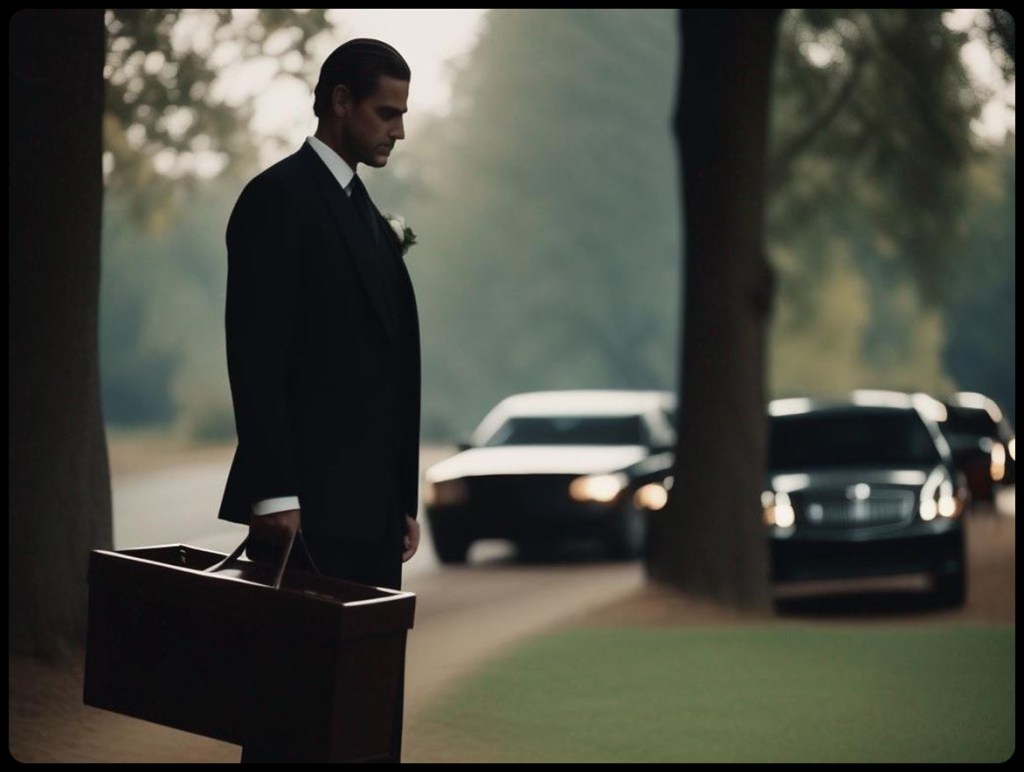
- Men: Traditionally, men opt for dark-colored suits in black, charcoal gray, or navy. A crisp white shirt and a subdued tie complement the ensemble.
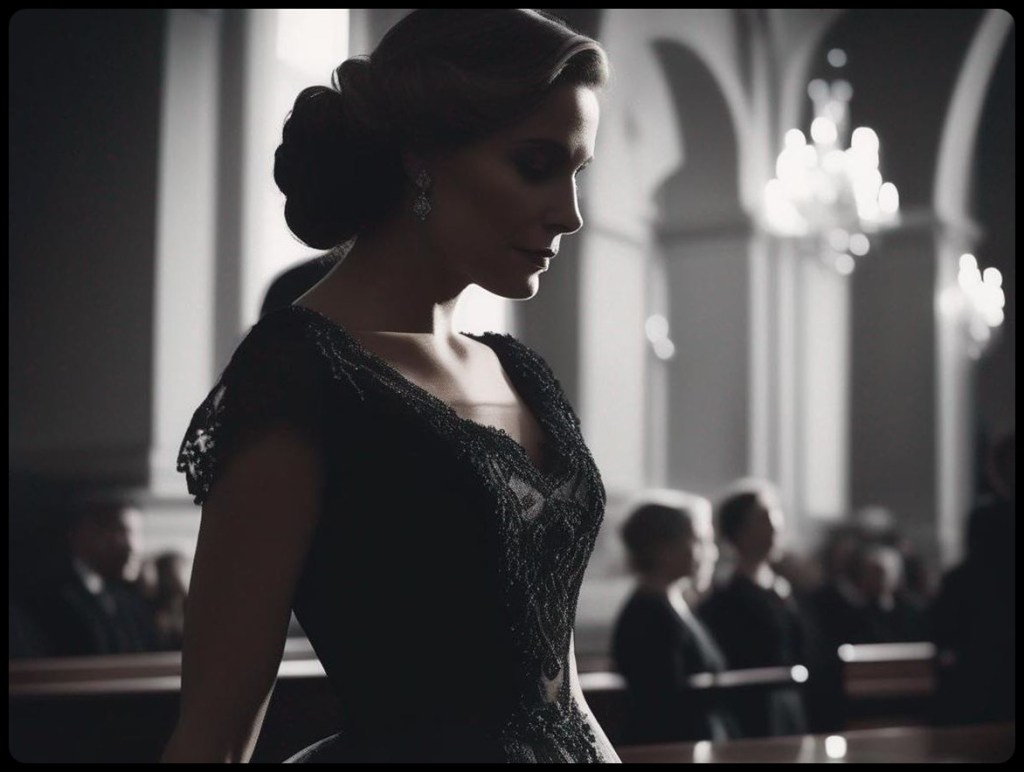
- Women: Dark dresses or suits in black, navy, or muted tones are appropriate. Dresses should be knee-length or longer, and blouses paired with skirts or slacks are also acceptable.
- Avoid Bright Colors and Patterns:
- It’s crucial to steer clear of vibrant colors, flashy patterns, or overly casual attire. These choices may be perceived as disrespectful or inappropriate for the somber atmosphere of a funeral.
- Conservative Clothing:
- Choose conservative and modest clothing. This is not the time to make a fashion statement. For men, avoid flashy accessories, and for women, opt for dresses with higher necklines and longer sleeves.
For Men
- Suit Selection:
- A well-fitted, classic suit is the foundation of appropriate funeral attire for men. Ensure the suit is clean, pressed, and in good condition.
- Black, charcoal gray, or navy suits are ideal choices. Darker hues convey a sense of solemnity and respect.
- Shirt and Tie:
- Select a crisp, white dress shirt for a timeless and respectful look. A subtle, dark-colored tie complements the ensemble without drawing undue attention.
- Avoid bold patterns or bright colors in ties, as they may distract from the purpose of the occasion.
- Footwear and Accessories:
- Polish and choose classic black leather shoes to complete the outfit. Make sure they are clean and well-maintained.
- Keep accessories minimal. A watch and perhaps a simple tie bar are acceptable, but avoid anything flashy or ostentatious.
For Women
- Dress Selection:
- Choose a modest and tasteful dress or suit. Opt for knee-length or longer dresses, and avoid anything too form-fitting or revealing.
- Dark colors such as black, navy, or muted grays and browns are suitable. However, subdued colors like dark purples or blues can also be appropriate.
- Sleeve Length and Neckline:
- Opt for dresses or tops with longer sleeves and avoid anything too low-cut. Modesty is key, and the focus should be on paying respects rather than personal style.
- Footwear and Accessories:
- Select closed-toe, understated shoes that match the overall tone of your outfit. Avoid overly embellished or flashy footwear.
- Keep accessories simple. A discreet pair of earrings, a modest necklace, and perhaps a wristwatch are appropriate. Avoid large, attention-grabbing jewelry.
General Tips
- Weather Considerations:
- If the funeral is outdoors or during inclement weather, consider appropriate outerwear such as a black overcoat or a modest shawl.
- Grooming and Personal Hygiene:
- Ensure your attire is clean, well-maintained, and free of wrinkles. Personal grooming is equally important; keep hairstyles and facial hair neat and trimmed.
- Cultural and Religious Sensitivity:
- Take into account any specific cultural or religious customs that may influence attire choices. Some cultures have specific traditions regarding funeral attire, and it’s essential to respect and adhere to them.
4. Seasonal Considerations
- Tailor your attire to the season while maintaining the somber tone. In warmer weather, lightweight and breathable fabrics can be chosen, whereas heavier materials like wool or tweed may be more appropriate in colder months.
- For men, a black or dark-colored overcoat can be worn in cooler weather. Women may consider a tasteful shawl or a subdued coat.
5. Children’s Attire
- When attending a funeral with children, choose clothing that mirrors the formality of the occasion. Dark-colored clothing is still preferred, and outfits should be modest and respectful.
- For boys, a simple suit or dress pants with a collared shirt is suitable. Girls can wear a modest dress or a skirt with a blouse. Avoid overly elaborate or bright clothing for children.
6. Accommodating Religious Practices
- Different religious ceremonies may have specific requirements for funeral attire. For example, some religions may have color restrictions or specific garments for mourning.
- Take the time to inquire about any religious customs or guidelines and adjust your attire accordingly.
7. Comfort and Practicality
- While maintaining a respectful appearance is crucial, it’s also important to prioritize comfort, especially if the funeral involves a lengthy service or a graveside ceremony.
- Choose fabrics that allow for ease of movement and consider the practicality of your footwear, especially if you may need to walk on uneven surfaces.
8. Personal Touches
- While the primary focus is on modesty and respect, subtle personal touches can be incorporated to remember the deceased. For example, a discreet piece of jewelry that belonged to the departed or a tie or scarf with sentimental value can be worn.
9. Funeral Attire for Non-Traditional Services
- In recent times, some individuals may choose non-traditional funeral services that celebrate the life of the departed rather than focusing on mourning. In such cases, the dress code may be more relaxed.
- It’s essential to respect the wishes of the grieving family and adhere to any dress code communicated, even if it deviates from traditional funeral attire.
10. Post-Funeral Gatherings
- If there’s a post-funeral gathering or reception, consider whether the dress code may differ. Some families may opt for a more casual atmosphere, allowing attendees to share memories and celebrate the life of the departed.
- While maintaining respect, attendees can adjust their attire to align with the tone of the post-funeral gathering.
Navigating Funeral Attire with Sensitivity
In conclusion, choosing what to wear to a funeral is a delicate yet essential aspect of paying respects to the departed and supporting grieving loved ones. By embracing traditional, conservative choices and being mindful of cultural and religious considerations, individuals can strike a balance between expressing sympathy and maintaining a respectful appearance.
Funeral attire is a symbol of solidarity and shared grief, transcending personal styles and preferences to emphasize the collective acknowledgment of loss. In these moments of mourning, the thoughtful selection of attire becomes a subtle yet powerful way to convey empathy and compassion.
Ultimately, the goal is not only to honor the departed but also to offer solace to those left behind. Funeral attire, when chosen with care and consideration, becomes a means of providing comfort and support during one of life’s most challenging moments.

 FashionFiesta: Latest news and blogs on Fashion